
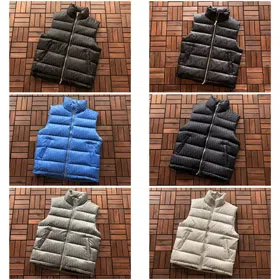
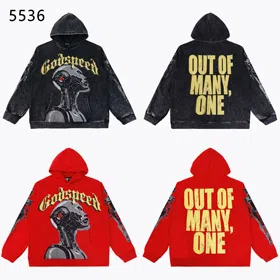



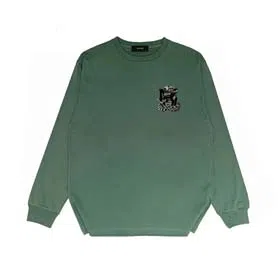



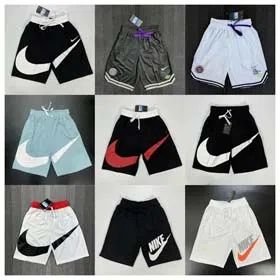

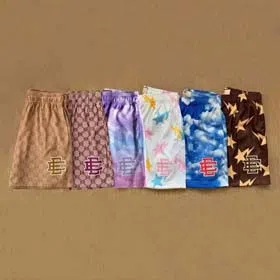







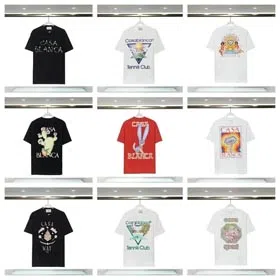
For serious cross-border ecommerce resellers, the Kakobuy spreadsheet has emerged as an indispensable asset in精细化运营 T-shirt ventures. This dynamic tool transforms unstructured market data into actionable insights, directly boosting sales performance through strategic inventory decisions and customer-centric approaches.
Seasoned resellers leverage Kakobuy spreadsheets to establish comprehensive print trend dashboards. By systematically recording popularity metrics, sales velocity, and customer reviews across various T-shirt graphics—from vintage retro prints to minimalist typography—operators gain real-time visibility into market shifts. When tracking reveals rising search volumes for "retro print tees," for instance, procurement can be adjusted immediately to capitalize on emerging trends. This responsiveness to keyword-driven demand (including terms like "vintage prints" and "geometric minimalist letters") creates substantial competitive advantages in fast-moving apparel niches.
Beyond design trends, fabric analytics form another cornerstone of spreadsheet optimization. Resellers document customer feedback regarding material performance: cotton's superior breathability, moisture-wicking blends for athletic wear, or the cooling properties of bamboo-based fabrics. This data informs seasonal recommendations, ensuring appropriate fabric promotions align with weather patterns and regional climate considerations.
The true power of Kakobuy spreadsheet management emerges in personalized customer engagement. By maintaining detailed records of individual client preferences—whether for anime graphics, band merchandise, or abstract art—resellers can curate tailored recommendations that dramatically improve conversion rates. This personalized approach not only strengthens customer loyalty but also generates valuable data for predicting broader market movements.
Strategically, this data-rich environment creates natural opportunities for complementary product promotion. As resellers analyze customer preferences for specific print styles or fabric qualities, they identify audiences likely to appreciate matching accessories. For instance, customers purchasing vintage band T-shirts often show interest in corresponding Jewelry items like guitar-pick pendants or music-themed bracelets. Similarly, buyers of minimalist geometric-print tops frequently explore subtle, modern Jewelry pieces that complete their aesthetic. Savvy resellers use their Kakobuy spreadsheets to note these correlations, developing bundled offerings or targeted follow-up campaigns that increase average order values.
Ultimately, the Kakobuy spreadsheet transcends basic inventory management to become a holistic business intelligence platform. By integrating print trend forecasting, material performance analytics, and personalized customer profiling—while identifying natural cross-selling opportunities with accessories like Jewelry—resellers build sustainable, data-driven operations that consistently outperform competitors relying on intuition alone.
To maximize impact, successful operators regularly audit their tracking parameters, ensuring metrics reflect current search algorithm updates and consumer behavior shifts. They segment data by regional markets, account for seasonal fluctuations in both T-shirt and Jewelry preferences, and maintain A/B testing logs for different promotional approaches. This rigorous methodology transforms simple spreadsheets into powerful engines for cross-border ecommerce growth.