Kakobuy Spreadsheet

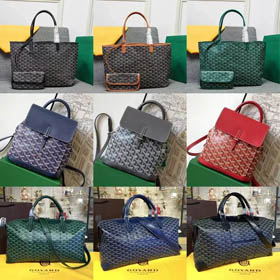
The evolving landscape of luxury Bags procurement demands strategic precision. Traditional selection methods often rely heavily on subjective preferences, leading to inconsistent results and missed market opportunities. Modern Bags resellers now leverage sophisticated tools like Lovegobuy spreadsheets to transform their procurement strategy. These dynamic templates create structured frameworks for analyzing and comparing potential acquisitions, fundamentally shifting from instinct-based to information-driven decision making.
A well-structured spreadsheet establishes a multi-dimensional assessment system for evaluating prospective Bags. By creating standardized scoring criteria across critical categories—design aesthetics, material quality, price positioning, and projected market demand—procurement specialists convert subjective impressions into quantifiable metrics. This analytical approach ensures every potential purchase undergoes systematic evaluation, highlighting strengths and weaknesses that might otherwise escape notice during casual inspection. Bags from various designers and collections can be directly compared using consistent parameters, removing brand bias and spotlighting truly promising products.
Material excellence remains paramount in luxury Bags. Detailed spreadsheets track specific leather grades, hardware durability, stitching quality, and craftsmanship standards—translating these physical attributes into comparable numerical values. Beyond physical construction, the system integrates market intelligence, tracking trending colors, popular silhouettes, and emerging functionality features. By maintaining current market data alongside procurement criteria, users can ensure their selected Bags align with consumer expectations while meeting quality benchmarks.
The true power of this systematic approach manifests in ongoing refinement. Lovegobuy spreadsheets don’t just inform initial selections; they become living documents where evaluation scores are continuously measured against actual sales performance. By recording units sold, revenue generated, customer feedback, and return rates for every bag acquired, procurement managers can statistically validate their scoring model. Patterns emerge: perhaps designs rated highly for innovation consistently underperform, while simpler Bags with premium materials exceed projections. This empirical feedback allows for continuous calibration of selection criteria, creating a virtuous cycle of improvement.
Advanced spreadsheets serve as central repositories for synthesizing market data and customer preferences. Rather than operating on fragmented information, procurement professionals consolidate details about overseas market trends, celebrity endorsements, social media buzz, and direct client requests into their evaluation framework. This consolidated intelligence layer informs selection criteria, ensuring chosen Bags resonate with target demographics while capturing timely fashion movements. The result is remarkably targeted purchasing that balances sustained classics with trending pieces, all informed by concrete data rather than speculation.
This methodology facilitates collaborative decision-making across purchasing teams. When evaluation standards are explicit and recorded numerically, discussions shift from "I like this design" to "This bag scores 8/10 on materials but only 5/10 on trend relevance based on our market data." New team members can quickly understand selection priorities, and stakeholders can transparently review purchase justifications. Over time, the accumulating historical data reveals deeper market insights—helping predict which styles of Bags might surge in popularity during specific seasons or events—and enabling truly strategic stock planning.
Begin by identifying the characteristics most valued by your specific clientele. Create weighted categories in your spreadsheet: perhaps design innovativeness (25%), material luxury (35%), price competitiveness (20%), and demand indicators (20%). Establish clear scoring rubrics for each. Regularly revisit scoring accuracy against sales data, adjusting weights and criteria quarterly. Crucially, maintain a dedicated section for market observations and customer requests—transforming anecdotal comments into actionable intelligence for future Bags procurement.
The transition to data-guided selection requires initial effort but yields compounding returns. With Lovegobuy spreadsheets systematizing what was once largely intuitive, luxury Bags procurement evolves into a repeatable, analyzable, and continually optimized business process—reducing costly missteps while methodically identifying the most promising Bags for your market niche.
kakobuy.cn Legal Disclaimer: Our platform functions exclusively as an information resource, with no direct involvement in sales or commercial activities. We operate independently and have no official affiliation with any other websites or brands mentioned. Our sole purpose is to assist users in discovering products listed on other Spreadsheet platforms. For copyright matters or business collaboration, please reach out to us. Important Notice: kakobuy.cn operates independently and maintains no partnerships or associations with Weidian.com, Taobao.com, 1688.com, tmall.com, or any other e-commerce platforms. We do not assume responsibility for content hosted on external websites.