Kakobuy Spreadsheet

For independent resellers and boutique agencies operating in the competitive cross-border sneaker market, organization is the difference between profit and loss. As we look toward 2026, leveraging structured digital tools is no longer optional—it's essential. The Kakobuy spreadsheet methodology has emerged as a core operational framework, specifically when paired with insights from the Kobuy shoes marketplace. This system transforms chaotic, manual tracking into a streamlined, analytical powerhouse for footwear reselling.
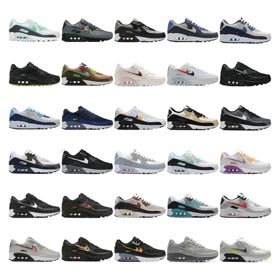
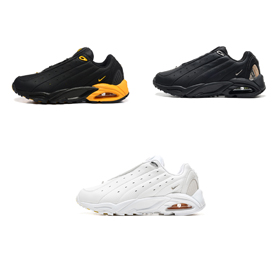
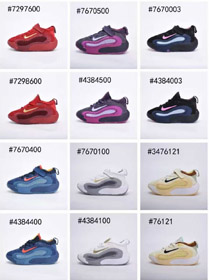
The first step is dedicating a master section within your Kakobuy spreadsheet solely to footwear. Here, every item sourced from Kobuy shoes gets a detailed entry. Critical data points include the brand, exact model (e.g., Air Jordan 1 Retro High, Yeezy 350 V2), available colorways, and most importantly—size availability and stock status. By logging the procurement cost and your final resale price, you maintain real-time visibility into your profit margins for every pair.
A standout feature is the integrated size conversion chart. Given the global nature of clientele—from North America and Europe to Southeast Asia—standardizing US, UK, EU, and CM measurements prevents costly fulfillment errors. This simple reference empowers international customers to select their correct fit confidently, directly reducing return rates.
The true power of the Kakobuy spreadsheet unlocks with sales data analysis. By tracking sales volume per size for trending Kobuy shoes models, resellers can identify clear geographic demand patterns. Historical data often reveals that clients in North America and Europe frequently require larger sizes (US 10+), while markets in Southeast Asia show stronger demand for smaller sizes (US 7-9).
This intelligence is invaluable for 2026 sourcing strategies. Instead of guessing, you can prioritize purchasing high-demand sizes for upcoming releases, optimizing your inventory investment and accelerating turnover. Predicting and aligning stock with market needs is a key competitive edge for the year ahead.
Operational efficiency extends beyond sales. A sophisticated Kakobuy spreadsheet includes logistics modules. Recording the packaged weight per shoe model allows for automatic shipping cost calculations using carrier rates, ensuring fees are accurately factored into pricing. Furthermore, diligent sellers add Quality Control (QC) logs and aggregate customer feedback for each Kobuy shoe model.
Noting common QC issues (e.g., glue marks, stitching variations) and compiling positive or negative reviews creates a invaluable knowledge base. This lets you proactively communicate with future buyers about batch quality or even avoid problematic releases altogether. By 2026, this data-driven approach to quality and reputation management will separate amateur sellers from professional enterprises.
The integration of Kobuy shoes market data into a structured Kakobuy spreadsheet system offers a blueprint for professionalization. It brings order to inventory, clarity to finances, and science to sourcing and customer service. As cross-border e-commerce evolves, adopting such a disciplined, analytical framework is not just about keeping up—it's about setting the standard. By embracing this methodology now, resellers position themselves for scalable, efficient, and highly profitable operations well into 2026 and the future.
kakobuy.cn Legal Disclaimer: Our platform functions exclusively as an information resource, with no direct involvement in sales or commercial activities. We operate independently and have no official affiliation with any other websites or brands mentioned. Our sole purpose is to assist users in discovering products listed on other Spreadsheet platforms. For copyright matters or business collaboration, please reach out to us. Important Notice: kakobuy.cn operates independently and maintains no partnerships or associations with Weidian.com, Taobao.com, 1688.com, tmall.com, or any other e-commerce platforms. We do not assume responsibility for content hosted on external websites.