Kakobuy Spreadsheet

For cross-border purchasing agents specializing in fashion, organization is not just helpful—it's critical for profitability and scalability. The KaKobuy spreadsheet emerges as the essential management hub, seamlessly integrating with offerings like KaKobuy clothing to provide a structured, data-driven approach for handling a full spectrum of apparel and footwear orders.
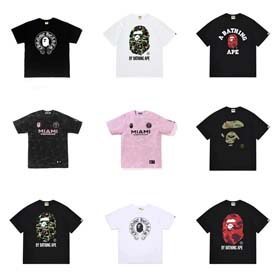
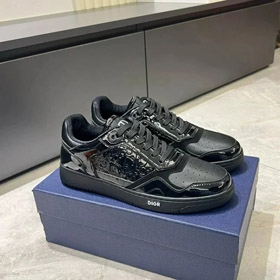
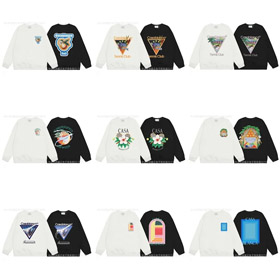
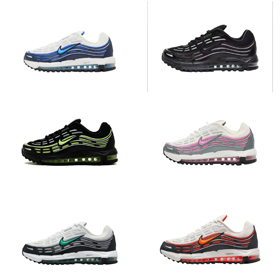
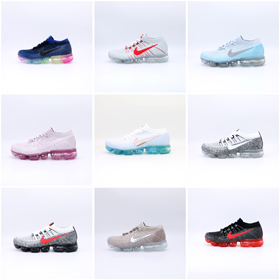
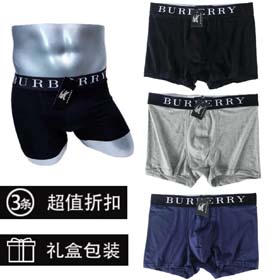
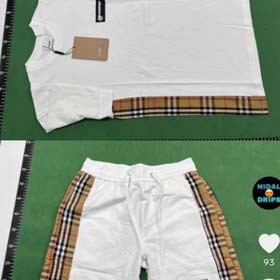
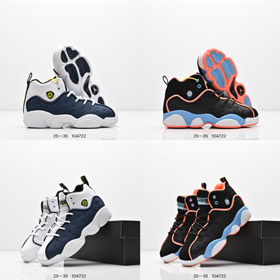
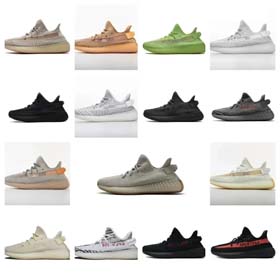
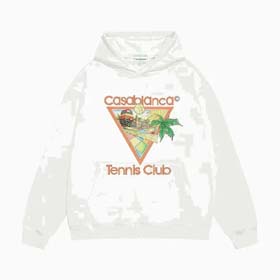
The foundation of efficient management begins with clear categorization. Within the KaKobuy spreadsheet, agents create dedicated sections for tops, pants, dresses, suits, and crucially, shoes. Each item entry, whether a blouse or a pair of sneakers, includes detailed fields: brand, style, size, color, fabric/material, procurement cost, and resale price. This granular detail ensures every product specification is logged and easily accessible.
To enhance the customer experience and reduce sizing-related inquiries, agents can embed size conversion charts and fabric care explanations directly within the spreadsheet. This is especially valuable for shoes, where international sizing differences (like US, EU, UK, and CM measurements) can be clarified upfront, building trust with overseas clients.
Successful fashion purchasing hinges on understanding the target market. The KaKobuy spreadsheet allows agents to log and analyze sales data across different regions. For instance, trends may show that European and North American clients often prefer relaxed-fit clothing and wider-fitting shoes, while Japanese and Korean customers lean towards tailored silhouettes and specific sneaker styles. By tracking which categories—from oversized sweaters to specific shoes models—sell best in which markets, agents can make informed, localized purchasing decisions, optimizing their inventory investment.
Inventory management is automated through low-stock alerts. The spreadsheet can be configured to flag when inventory for a popular jacket or a best-selling line of shoes falls below a set threshold, prompting timely reordering to prevent lost sales.
Furthermore, the tool serves as a central log for Quality Control (QC) notes and post-sale issues. By recording which clothing categories or types of shoes have higher or lower return rates, agents gain actionable insights. Perhaps knitwear has fewer complaints than blouses, or a certain brand's shoes consistently have positive feedback. This analysis highlights reliable suppliers and problematic items, enabling agents to refine their product selection and improve overall service quality.
In summary, the KaKobuy spreadsheet transforms the complex workflow of cross-border clothing and shoes purchasing into a streamlined, analytical process. By centralizing categorization, regional sales data, inventory alerts, and quality tracking, it empowers agents to move beyond simple order-taking to operating a sophisticated, responsive, and efficient fashion e-commerce business.
kakobuy.cn Legal Disclaimer: Our platform functions exclusively as an information resource, with no direct involvement in sales or commercial activities. We operate independently and have no official affiliation with any other websites or brands mentioned. Our sole purpose is to assist users in discovering products listed on other Spreadsheet platforms. For copyright matters or business collaboration, please reach out to us. Important Notice: kakobuy.cn operates independently and maintains no partnerships or associations with Weidian.com, Taobao.com, 1688.com, tmall.com, or any other e-commerce platforms. We do not assume responsibility for content hosted on external websites.