
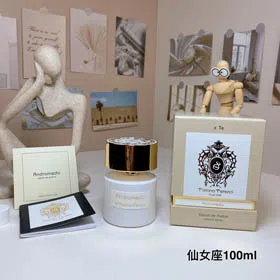








The Ultimate Tool for Kakobuy Makeup Success
For savvy cross-border shopping agents, success hinges on repeat business. While managing diverse products from the Kakobuy marketplace—from popular makeup to trendy shoes—agents need precision. A customized, well-structured Kakobuy spreadsheet becomes the central nervous system for operations, particularly for boosting repurchase rates in the highly competitive beauty sector. Unlike basic inventory lists, this powerful tool allows agents to transform from simple order facilitators into trusted beauty advisors. The same organizational logic applied to a kakobuy makeup strategy can also be adapted for managing other categories, such as apparel or shoes, ensuring no customer need is overlooked.
Building a Personalized Skincare Profile Database
The core advantage lies in creating a dedicated client profile section within the spreadsheet. For each client purchasing kakobuy makeup, agents can record critical data: skin type (e.g., oily, dry, combination, sensitive), known reactive ingredients to avoid, preferred color palettes, and favorite brands. This data, often gathered through casual post-purchase follow-up, is gold. While this client-centric approach is core to beauty, consider maintaining similar columns for other goods. For instance, noting a client's shoes size, style preference (e.g., running, formal), and color choices can drive personalized recommendations across categories.
Automating Product Recommendations with Smart Formulas
A static list is good, but a smart spreadsheet is transformative. Using simple formulas, agents can set up an automated recommendation engine. For example, a column can be programmed to display "Hydrating Foundation" when a client's skin type is marked "Dry," or "Oil-Control Setting Powder" for "Oily" skin. This enables agents to send targeted, relevant follow-up messages like, "Based on your profile, this new moisturizer is perfect for your skin type!" This level of personalized care significantly increases engagement and conversion likelihood for future kakobuy makeup purchases.
The Power of Usage Cycle Tracking & Repurchase Alerts
Repurchases are driven by timing. Different beauty products have predictable usage cycles—a lipstick lasts roughly 3 months, a foundation 6 months, a moisturizer 2 months. By logging the purchase date and product in the spreadsheet, agents can create a "Repurchase Alert" column. Formulas calculate when a client is likely running low, triggering a reminder for the agent to proactively reach out. This transforms the repurchase process from reactive to anticipatory, cementing the agent's role as a thoughtful curator. Similar logic applies to all consumable goods, from skincare to specialty shoes inserts or care products.
Implementing Your System for Maximum ROI
Start by designing your Kakobuy spreadsheet with clear tabs or sections: Client Profiles, Product Master List (with usage cycle data), and a Repurchase Dashboard. Integrate these sheets so data flows seamlessly. The goal is to create a low-effort, high-impact system that ensures no client is forgotten. By personalizing interactions through skin profile-based suggestions and timely reminders, agents don't just sell products; they build a loyal community. This systematic approach leads to a measurable and sustained increase in the repurchase rate for kakobuy makeup and other repeat-purchase items. The organizational principle of detailed client tracking, whether for complexion needs or preferred shoes styles, is universal for e-commerce success.