

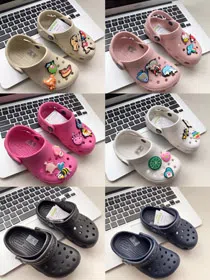
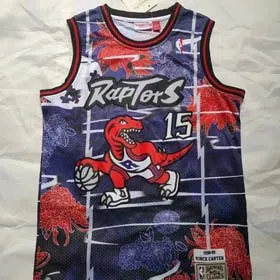



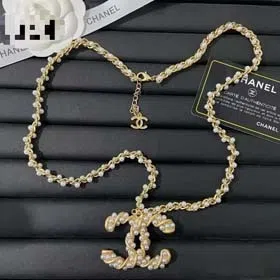
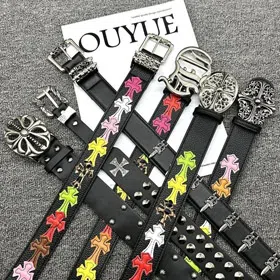
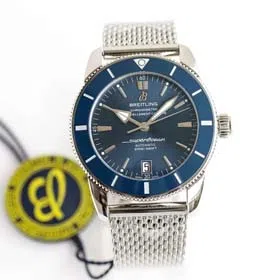

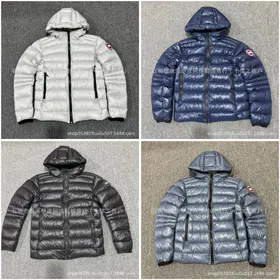

For cross-border dropshippers specializing in fashion accessories, efficient organization is the cornerstone of profitability. The Kakobuy spreadsheet emerges as the central nervous system for managing a diverse inventory, from everyday essentials to fine jewelry. This powerful tool, when integrated with Kakobuy accessories, streamlines operations by transforming chaotic order tracking into a structured, data-driven process.
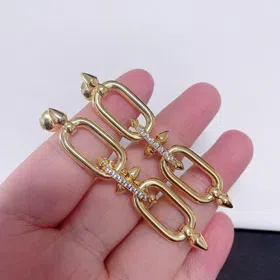
Successful dropshippers begin by structuring their Kakobuy spreadsheet into dedicated categories. This involves creating distinct sections for necklaces, bracelets, earrings, hats, scarves, and belts. Each product entry goes beyond a simple name. It becomes a comprehensive digital profile, listing key details like brand, style, material (e.g., sterling silver, brass, stainless steel), dimensions, available colors, landed cost, and the final retail price. Crucially, this is enhanced with a material care description and notes on suggested styling or occasion, providing overseas clients with the detailed product context they need to make confident purchases.
Beyond basic cataloging, the true power of the Kakobuy spreadsheet lies in its analytical capacity. By logging sales data directly into the system, dropshippers can identify powerful seasonal trends and demand cycles. Analysis might reveal that winter drives higher sales for wool scarves and felt hats, while summer sees a spike in demand for lightweight stud earrings and beaded bracelets. This insight allows for proactive procurement strategy adjustments. Understanding this seasonal ebb and flow for different items is key to maximizing sales and minimizing stale inventory. Whether you are managing costume pieces or semi-precious jewelry, data-driven planning is indispensable.
Operational resilience is built through smart inventory controls. The spreadsheet can be configured with automated low-stock alerts for any accessory, sending a prompt to reorder when quantities dip below a preset threshold. This prevents lost sales opportunities. Furthermore, incorporating dedicated columns for quality control (QC) checks and post-sale issues turns the tool into a valuable feedback loop. Over time, patterns emerge. For instance, a dropshipper might analyze the data to discover that accessories made from high-quality materials like 925 sterling silver result in fewer customer complaints about tarnishing or breakage compared to certain alloys. This insight directly informs future sourcing decisions, guiding the business toward more durable and satisfactory product lines.
Ultimately, the Kakobuy spreadsheet facilitates a level of fine-grained management that elevates a side hustle into a professional enterprise. By centralizing information on everything from jewelry procurement costs to scarf color popularity and hat size variations, it enables decisive, informed action. Dropshippers can optimize their offerings, improve customer satisfaction, and boost their bottom line through meticulous organization, predictive analytics, and continuous quality improvement—all powered by one adaptable, essential tool.