Kakobuy Spreadsheet

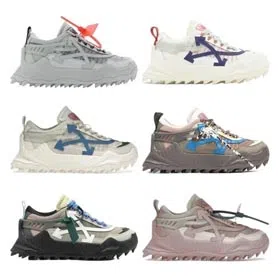
For dropshippers and resellers in the competitive world of cross-border e-commerce, sustainable growth relies heavily on fostering customer loyalty. When specializing in footwear, the Kakobuy spreadsheet emerges as an indispensable tool for fine-tuning operations and systematically increasing the repeat purchase rate for shoes sold through platforms like Kakobuy. By centralizing client data and sales analytics, it transforms scattered information into a powerful engine for driving recurring revenue from shoe enthusiasts.
At its core, this spreadsheet enables the creation of detailed, individual customer profiles. For every client purchasing a pair of shoes, sellers can meticulously log vital data: precise sizing, unique foot characteristics such as width or arch type, preferred brands, and a complete history of past purchases. This goes beyond simple record-keeping. By integrating repurchase alerts, the system becomes proactive. Sellers receive automatic notifications when a client's previously bought shoe model releases a new colorway or when a favorite brand launches a promotional discount. This allows for perfectly timed, personalized outreach—a key driver for compelling customers to return for their next pair of shoes. Reaching out when the interest is naturally high significantly boosts conversion chances for repeat orders.
Beyond individual tracking, the true power of the Kakobuy spreadsheet lies in its analytical capacity. Sellers can segment and calculate the repeat purchase rate for different sneaker brands within their portfolio. This data reveals clear patterns of customer loyalty. For instance, discovering that one particular athletic brand boasts a 30% repeat customer rate provides a strong, data-backed signal to allocate more inventory budget toward that label's popular shoes. This strategic stock optimization ensures capital is invested in the brands that provenly turn first-time buyers into long-term clients.
Furthermore, smart sellers use the spreadsheet to gather and organize qualitative feedback. Recording customer reviews on specific shoes—comments like "durable outsole" or "highly breathable upper"—serves a dual purpose. Internally, it highlights the selling points that resonate most. Externally, these authentic testimonials become gold for marketing. Compiled into persuasive product descriptions and social media posts, they directly address the concerns and desires of potential new customers. By showcasing proven satisfaction, sellers not only attract new business but also lay the groundwork for future repeat purchases by setting accurate expectations from the first sale.
Ultimately, the Kakobuy spreadsheet is more than an organizational tool; it is the foundation for a精细化 (fine-grained) customer relationship strategy tailored for the footwear market. By synthesizing profiles, alerts, brand performance analytics, and customer feedback into one system, sneaker dropshippers can move from transactional sales to building a community of loyal repeat buyers, securing a more predictable and profitable business focused on selling sought-after shoes.
kakobuy.cn Legal Disclaimer: Our platform functions exclusively as an information resource, with no direct involvement in sales or commercial activities. We operate independently and have no official affiliation with any other websites or brands mentioned. Our sole purpose is to assist users in discovering products listed on other Spreadsheet platforms. For copyright matters or business collaboration, please reach out to us. Important Notice: kakobuy.cn operates independently and maintains no partnerships or associations with Weidian.com, Taobao.com, 1688.com, tmall.com, or any other e-commerce platforms. We do not assume responsibility for content hosted on external websites.