
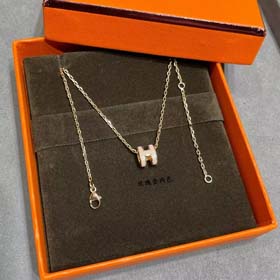
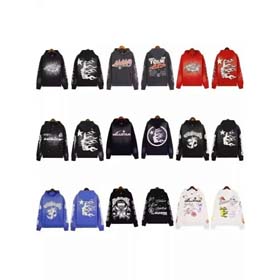
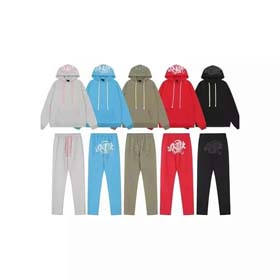
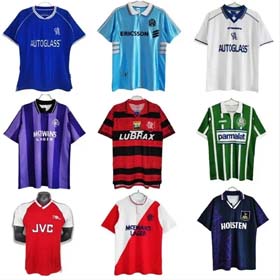











For many entrepreneurs operating in the cross-border fashion purchasing business, staying organized is the single biggest challenge. Managing numerous orders from CSSBuy clothing across categories, brands, customers, and regions requires a systematic approach. This is where a well-structured CSSBuy spreadsheet becomes an indispensable core management tool, transforming chaos into streamlined efficiency.
Modern cross-border fashion purchasing is multi-faceted—it involves taking orders from international clients for a wide range of garments available on the CSSBuy platform, purchasing them, inspecting them through quality control, and shipping them reliably. The complexities of managing supplier listings, customer-specific needs, and logistics can overwhelm. However, by leveraging a CSSBuy spreadsheet, intelligent agents can handle it with precision. Don't work alone; many experienced agents share their strategies for efficient management using their Discord channels. Joining a Discord community dedicated to this sector can provide templates and invaluable peer advice.
Structuring Your CSSBuy Garment Inventory for Maximum Clarity
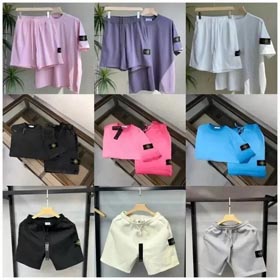
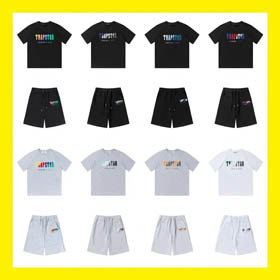
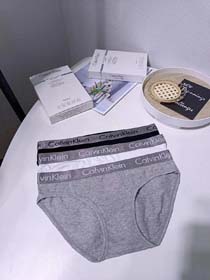
Effective purchasing begins with organized inventory. Within your spreadsheet system, you should create dedicated sections for every key category found on CSSBuy clothing—think tops, trousers, skirts, dresses, and activewear suits or sets. Each entry under these sections requires precision. Record critical data: brand name, style name, its styling option, size, color, its fabric composition, purchase price, final markup or resale price, and finally your available inventory count.
Valuable bonuses in this section include adding detailed tabloids—an international dress sizing chart so clients understand their best fit, as well as clear explanations of common materials to help educate overseas customers and subsequently reduce unsatisfied fits or post-purchase shock issues.
Analyzing Trends and Client Data to Drive Smarter Purchases
The advanced power of a robust spreadsheet lies in its ability to track and analyze. For example, categorize your global buyer groups, then based on combined customer group analytics, you may see that Western clients prefer looser fits for streetwear, while buyers from East Asian regions prioritize more fitted formal attire suits or trending body-hugging sweaterknit variations.
Gather these insights into a master tab in your system—and use it to inform monthly or seasonal garment restocking plans. This strategy reduces deadstock buildup substantially, decreasing its risk for particular item purchases that are style-specific and niche on CSSBuy clothing systems, while aligning asset holdings exactly with real consumer demand.
Automating Operations and Improving Quality Control Post-Purchase
Automated spreadsheet tools can solve massive amounts of manual headaches for purchasers. Setting up threshold-based inventory reorder alerts ensures you'll never suddenly sell out of best-selling palazzo trousers ever again. Meanwhile, rigorous product inspections should be logged for QC compliance on a per-order basis, and these experiences should be recorded on every item row. Similarly, document all customer feedback or returns handling and their underlying reasons in a review log for each style block.
Connect such data by segment, enabling tracking between quality and reason—identifying that, for instance, 'silky material' blouses from certain brands yield lower purchase satisfaction than durable cotton tee knits. These informed decisions streamline future placement and delivery orders in next CSSBuy clothing batches and also solidify trust with customer continuity bases.
By properly implementing these custom-built frameworks into a cohesive, automated organizational model around your CSSBuy spreadsheet,your fashion purchasing venture becomes not just functional but sustainably profitable as a cross-border fashion business from one business medium.