Kakobuy Spreadsheet

For entrepreneurs in cross-border e-commerce apparel sourcing, the Pandabuy Spreadsheet has emerged as the foundational tool for streamlining operations and maximizing profitability. By integrating data from platforms like Pandabuy Clothing, this digital framework allows fashion buyers to systematically manage the entire order lifecycle—from initial sourcing to final delivery.
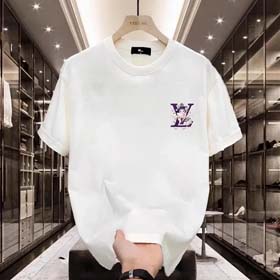
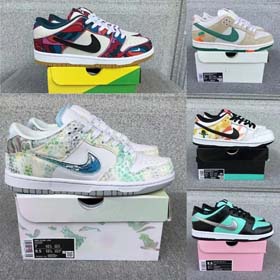
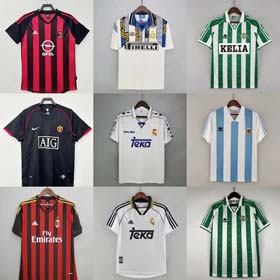
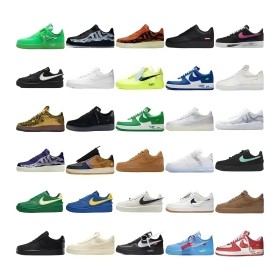
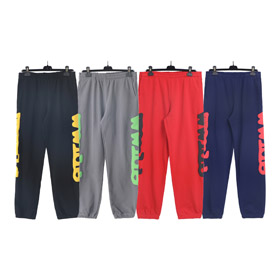
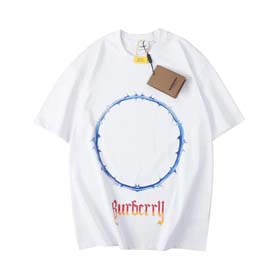
A key feature of the Pandabuy Spreadsheet is its ability to categorize products logically. Sellers can create dedicated sections for apparel such as Tops, Pants, Dresses, Suits, Outerwear, and Accessories. Within each category, critical data points are logged, including Brand, Style Name, Available Sizes, Color Variations, Fabric Composition, Sourcing Cost, and Resale Price. Adding clear Size Conversion Charts (e.g., US-to-Asian sizing) and detailed Fabric Descriptions (e.g., “100% organic cotton, pre-shrunk”) minimizes confusion for overseas buyers and reduces return rates. This is essential in fast-paced settings like warehouse product sorting and order batching, operations not unlike those seen in Electronics wholesale distribution, where strict inventory classification ensures accurate fulfillment.
Global demand varies significantly, and smart sellers use the Pandabuy Spreadsheet to analyze sales metrics per region. Through internal sales logs, patterns become clear: European and North American clients may prefer oversized fits and bold designs, while Japanese and Korean customers often seek tailored, minimalist cuts. This data guides procurement—adjusting orders for more loose-fit sweatshirts for the US market and slim-fit trousers for East Asia, for example—ensuring alignment with local fashion trends. Such targeted adjustments are as data-driven as segmenting consumer Electronics demand, where preferences for specifications change between regions.
Operational smoothness relies on proactive systems. Sellers can configure the spreadsheet with automated low-stock alerts; when inventory for a best-selling dress dips below a set threshold, a notification prompts timely restocking. Additionally, maintaining quality control (QC) records—notes on stitching flaws, color inconsistencies, or material defects—and linking these to subsequent customer feedback provides crucial insights. Over time, analysis might reveal that knitwear has far fewer complaints than printed shirts, steering future buys toward higher-satisfaction categories. Embedding this level of oversight prevents the inventory issues often seen in dropshipping or unsystematic reselling.
While tailored for apparel, the Pandabuy Spreadsheet model demonstrates organizational principles applicable to other e-commerce categories, such as gadgets and electronics. Structured databases empower any imported goods business, enabling sellers to coordinate complex fulfillment and maintain service quality across borders.
Adopting the Pandabuy Spreadsheet can transform the clothing agency hustle into a scalable, analytics-driven enterprise—where every decision, from buying to customer service, is refined by precise, adaptable, and insightful data management.
kakobuy.cn Legal Disclaimer: Our platform functions exclusively as an information resource, with no direct involvement in sales or commercial activities. We operate independently and have no official affiliation with any other websites or brands mentioned. Our sole purpose is to assist users in discovering products listed on other Spreadsheet platforms. For copyright matters or business collaboration, please reach out to us. Important Notice: kakobuy.cn operates independently and maintains no partnerships or associations with Weidian.com, Taobao.com, 1688.com, tmall.com, or any other e-commerce platforms. We do not assume responsibility for content hosted on external websites.